Make Sure You’re Legal Before You Tow This Summer
As the warmer months approach, many holidaymakers will be preparing for trips that involve towing a caravan or transporting camping gear by trailer. Before setting off, it’s vital to understand the legal obligations that apply to towing in the UK to ensure the journey is both safe and compliant.
Vehicle & Trailer Requirements
Before you tow anything, both the vehicle and trailer or caravan must meet current legal standards. Key requirements include:
1. Weight Limits
Every vehicle has a maximum towing capacity set by the manufacturer. This includes the Maximum Authorised Mass (MAM) of the trailer. These figures can be found in the vehicle handbook or V5C. Exceeding these limits is illegal and can result in fines or penalty points.
Since 16th December 2021, anyone with a full UK car licence (category B) can tow a trailer up to 3,500kg MAM without needing to take an additional test. This applies to licences issued before and after that date. The maximum trailer dimensions are set as max width 2.55m x max length 7m (for trailers towed by vehicles up to 3,500kg).
2. Towbar & Coupling Standards
Any towbar fitted to a vehicle registered after 1st August 1998 must be EC Type approved. The coupling must be suitable for the trailer’s weight, and 50mm towballs remain the standard for most caravans and trailers.
3. Lighting & Reflectors
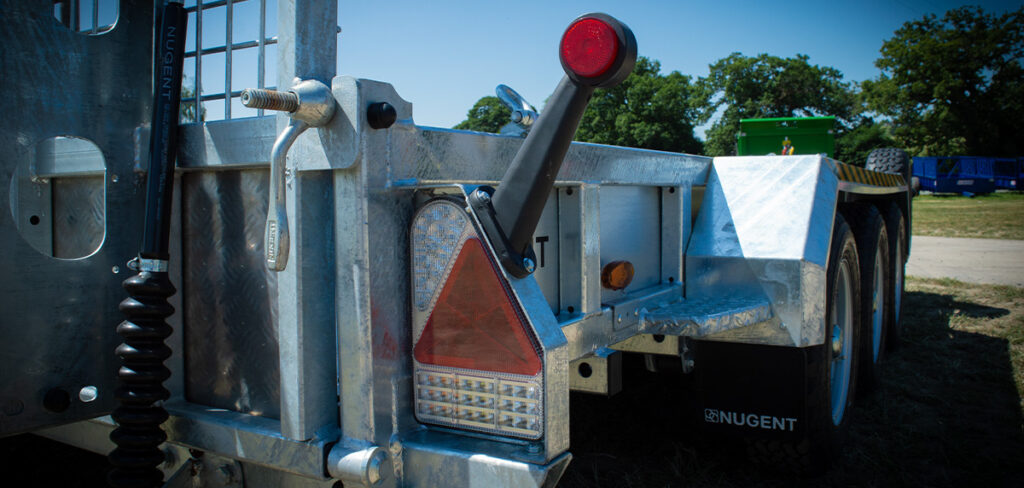
Trailers must have fully functioning rear lights, brake lights, indicators, reflectors, and, if wider than 1.3m fog lights. All lighting must comply with UK road vehicle lighting regulations.
4. Number Plates
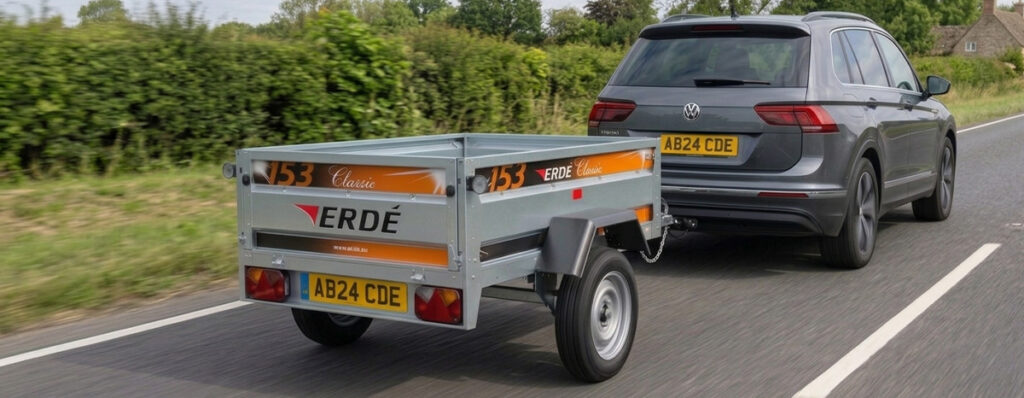
The trailer must display the same number plate as the towing vehicle. Plates must meet current UK standards for size, spacing, and reflectivity.
5. Breakaway Cable or Secondary Coupling
Trailers over 750kg with brakes must have a breakaway cable. Smaller unbraked trailers require a secondary coupling chain or strap.
6. Tyre Regulations
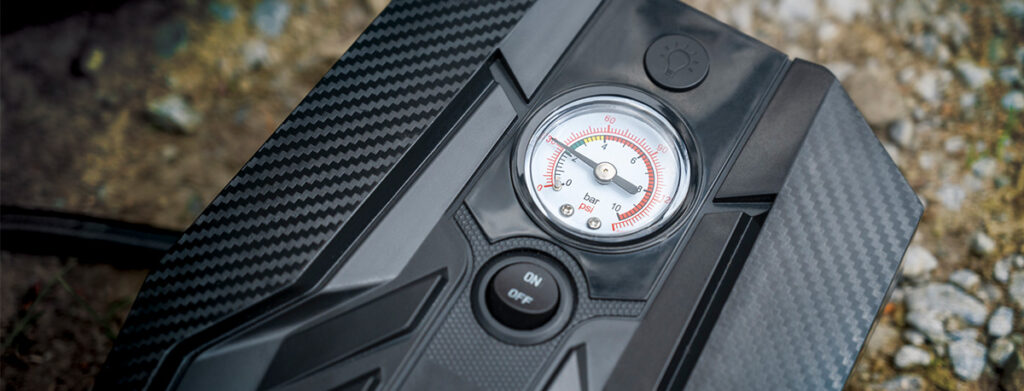
Tyres must be in good condition, correctly inflated, and legally compliant. Since February 2021, tyres over 10 years old are banned on the front axles of heavy vehicles, but while this rule doesn’t apply to caravans, the DVSA strongly recommends replacing old tyres due to increased blowout risk.
Speed Limits & Road Restrictions
When towing, different speed limits apply:
- 60 mph on motorways and dual carriageways
- 50 mph on single carriageway roads
- Cannot use the right‑hand lane of a motorway with three or more lanes when towing
These limits are designed to maintain stability and reduce the risk of snaking or loss of control.
Additional Safety Tips
To keep your journey smooth and safe:
- Carry out routine checks on tyres, brakes, wheel bearings, and lights before every trip.
- Load the trailer or caravan carefully, keeping heavier items low and centred to avoid instability.
- Fit towing mirrors if the caravan or trailer is wider than the vehicle, this is a legal requirement.
- Allow extra braking distance and avoid sudden steering movements.
Stay Safe, Stay Legal
Understanding and following the rules around towing protects the driver, passengers, and other road users. With the right preparation, customers can enjoy a stress-free start to their holiday.
Get Ready for the Season with Maypole Ltd
Maypole Ltd offers a complete range of high‑quality towing and trailer products, including genuine AL‑KO parts, LED Autolamps, Aspöck lighting systems, towing electrics, hardware, and servicing parts for caravans, trailers, and vehicles. With reliable products at competitive prices, Maypole helps ensure you’re fully equipped for your next adventure.